Residential Insulation Services in Sherman, McKinney & North Texas
Professional insulation solutions designed to improve comfort, reduce energy loss, and help Texas homes perform more efficiently year-round.
Spray Foam TX provides residential spray foam, attic insulation, fiberglass, cellulose, crawl space insulation, and air sealing services for both existing homes and new construction projects throughout Sherman, McKinney, and the greater North Texas region.
Residential Insulation Designed for Texas Homes
Homes throughout Sherman, McKinney, and surrounding North Texas communities face long cooling seasons, high attic temperatures, and constant HVAC demand during much of the year. Many older homes still rely on aging or underperforming insulation systems that allow conditioned air to escape while outside heat enters the home.
Proper insulation helps create a more efficient thermal envelope by reducing unwanted heat transfer and minimizing air leakage throughout the structure. Whether the project involves upgrading attic insulation, insulating a new home, improving comfort in specific rooms, or replacing old insulation materials, the right system depends on how the home is built and where energy loss is occurring.
At Spray Foam TX, insulation recommendations are based on the home’s structure, ventilation, moisture conditions, and overall energy-efficiency goals — not a one-size-fits-all approach.
Residential Insulation Services
Residential Spray Foam Insulation
Spray foam insulation helps reduce air leakage while improving indoor comfort and HVAC efficiency. Open-cell and closed-cell systems are available depending on the application and performance goals of the home.
Common Applications:
- Attics
- Wall cavities
- Garages
- Bonus rooms
- New construction homes
- Existing home retrofits
Attic Insulation
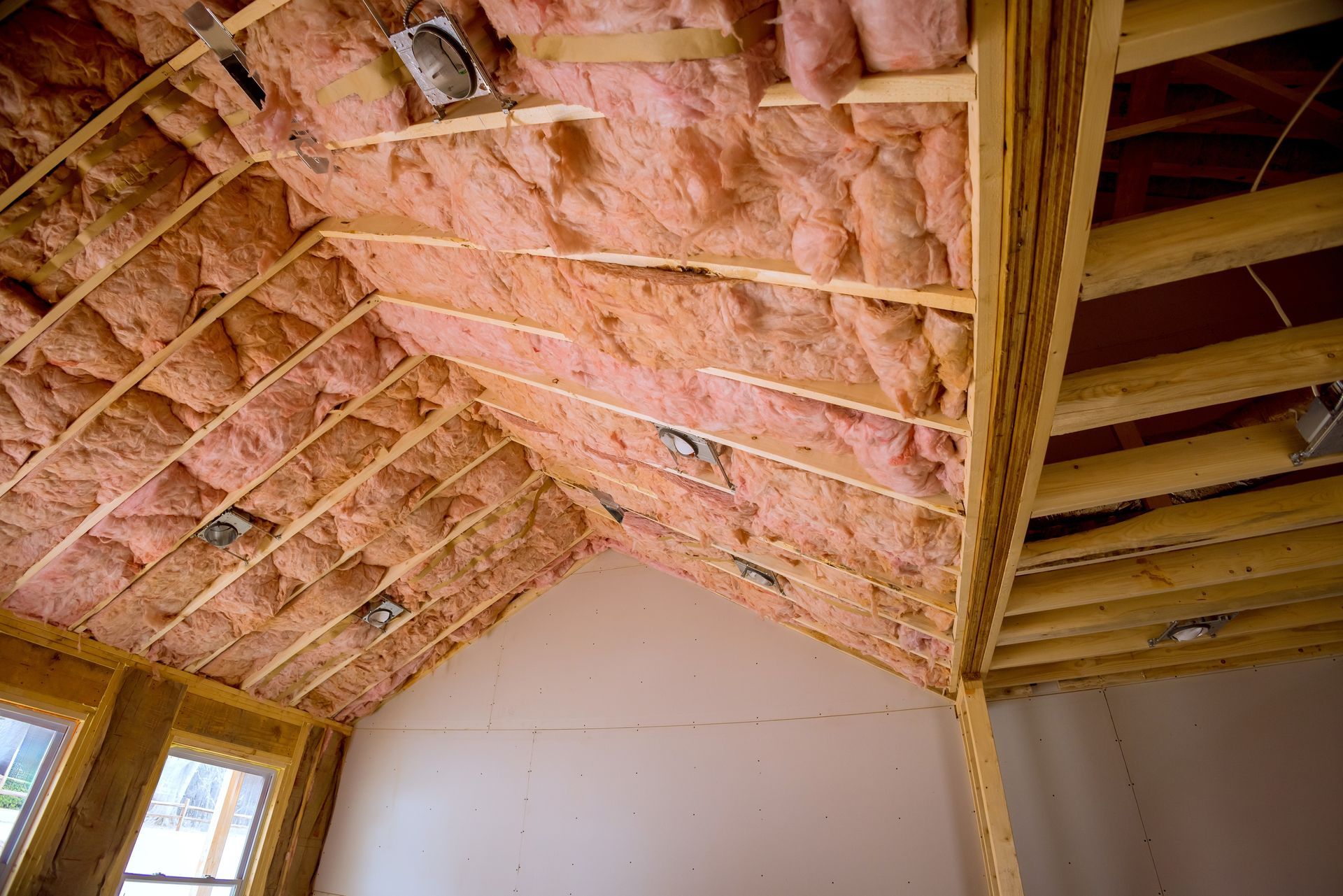
Attic insulation plays one of the biggest roles in overall home energy performance. In Texas homes, poorly insulated attics can create excessive heat buildup that forces HVAC systems to work harder throughout the summer.
Upgrading Attic Insulation Can Help:
- Reduce attic heat transfer
- Improve indoor comfort
- Lower HVAC strain
- Reduce uneven temperatures
- Improve overall energy efficiency
Open-Cell Spray Foam Insulation
Open-cell spray foam expands to fill gaps and cracks, helping create a tighter air seal inside the home. It is commonly used in attic rooflines and interior applications where energy efficiency and sound control are priorities.
Often Used For:
- Residential attics
- Roof deck insulation
- Sound reduction
- Existing home upgrades
- New construction homes
Closed-Cell Spray Foam Insulation
Closed-cell spray foam provides a higher R-value and additional moisture resistance. It is commonly used in areas requiring increased durability, structural rigidity, or moisture protection.
Often Used For:
- Garages
- Workshops
- Crawl spaces
- Exterior wall systems
- Moisture-prone environments
Fiberglass & Cellulose Insulation
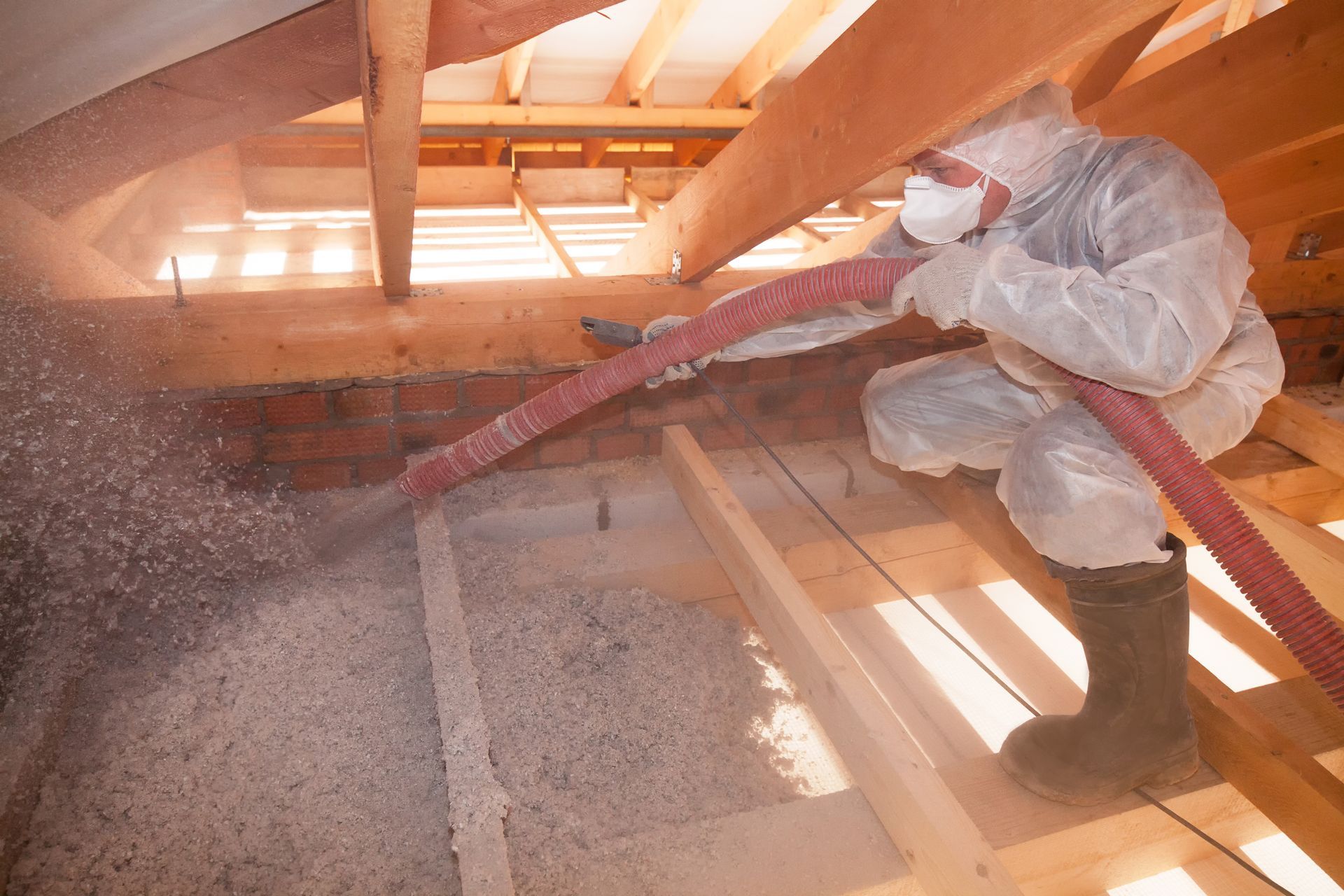
Fiberglass and cellulose insulation remain effective options for many residential applications, especially when upgrading older insulation systems or improving attic coverage.
These Systems Can Help Improve
- Temperature consistency
- Energy efficiency
- Noise reduction
- Overall insulation performance
Insulation Removal & Replacement
Old or damaged insulation can lose effectiveness over time due to moisture, settling, contamination, or age. Insulation removal and replacement services help restore proper performance while preparing the space for upgraded insulation systems.
Common Reasons for Insulation Replacement:
- Old compacted insulation
- Rodent contamination
- Moisture damage
- Poor attic performance
- Rising energy costs
- Uneven indoor temperatures
Crawl Space Insulation & Encapsulation
Crawl spaces can contribute to moisture problems, air leakage, and inconsistent indoor temperatures when left improperly insulated or exposed to outside humidity.
Crawl space insulation and encapsulation solutions help:
- Reduce moisture intrusion
- Improve indoor comfort
- Support energy efficiency
- Help protect flooring systems
- Improve air quality conditions
Air Sealing & Duct Insulation
Air leakage around ductwork, penetrations, recessed lighting, and attic access points can reduce overall energy efficiency even when insulation is present. Air sealing and duct insulation services help improve:
- HVAC efficiency
- Indoor temperature consistency
- Energy performance
- Air leakage reduction
Common Signs Your Home May Need Better Insulation
Hot Upstairs Rooms
Many homes throughout North Texas experience upstairs rooms that stay significantly warmer during summer due to attic heat transfer and poor insulation performance.
High Electric Bills
Insufficient insulation and air leakage often force HVAC systems to run longer and work harder to maintain indoor temperatures.
Uneven Temperatures
Cold or hot spots throughout the home may indicate missing insulation, poor airflow, or underperforming attic systems.
Drafts & Air Leakage
Air leaks around attic penetrations, ductwork, and wall cavities can reduce overall comfort and efficiency.
Older Insulation Systems
Many older homes still contain insulation that has settled, compacted, or lost effectiveness over time.
Open Cell vs Closed Cell Spray Foam for Residential Homes
Open Cell Spray Foam
Best suited for:
- Attic rooflines
- Interior wall systems
- Sound control
- Residential energy efficiency upgrades
Closed Cell Spray Foam
Best suited for:
- Crawl spaces
- Garages & workshops
- Moisture-prone areas
- Higher R-value applications
What to Expect During Your Residential Insulation Project
Home Evaluation
The project begins with evaluating current insulation conditions, attic performance, airflow concerns, and energy-efficiency goals.
Insulation Recommendations
Recommendations are based on the structure of the home, existing insulation, ventilation conditions, and project goals.
Professional Installation
Insulation systems are installed according to manufacturer specifications and project requirements.
Residential Insulation for Existing Homes & New Construction
Spray Foam TX works with:
- Existing homes
- New home construction
- Home additions
- Remodel projects
- Garages & detached buildings
- Multi-room insulation upgrades
Whether improving comfort in an older home or insulating a new custom build, insulation systems are selected based on long-term performance and the specific needs of the structure.
Frequently Asked Questions
What type of insulation works best in Texas homes?
The best insulation system depends on the structure of the home, attic conditions, airflow, and energy-efficiency goals. Spray foam, fiberglass, and cellulose insulation all serve different applications.
Is spray foam insulation worth it for older homes?
Many older homes benefit from improved air sealing and insulation upgrades, especially when experiencing high energy bills or inconsistent indoor temperatures.
Can insulation help lower cooling costs?
Proper insulation and air sealing can help reduce unwanted heat transfer and improve HVAC efficiency.
How long does residential insulation installation take?
Project timelines vary depending on the size of the home, attic accessibility, and the type of insulation being installed.
Do you provide insulation for new construction homes?
Yes. Spray Foam TX provides insulation solutions for both existing homes and new residential construction projects throughout North Texas.
Serving Sherman, McKinney & North Texas Homeowners
Spray Foam TX provides residential insulation services throughout Sherman, McKinney, the Texoma region, and surrounding North Texas communities.
Ready to Improve Your Home’s Comfort & Energy Efficiency?