Commercial Insulation Services for Sherman, McKinney & North Texas Buildings
Performance-driven insulation systems
For warehouses, metal buildings, commercial facilities, offices, agricultural structures, and new construction projects throughout Sherman, McKinney, and the greater North Texas region. Spray Foam TX helps commercial property owners, builders, and contractors improve energy efficiency, indoor climate control, and long-term building performance with professionally installed insulation systems.
Commercial Insulation Built Around Building Performance
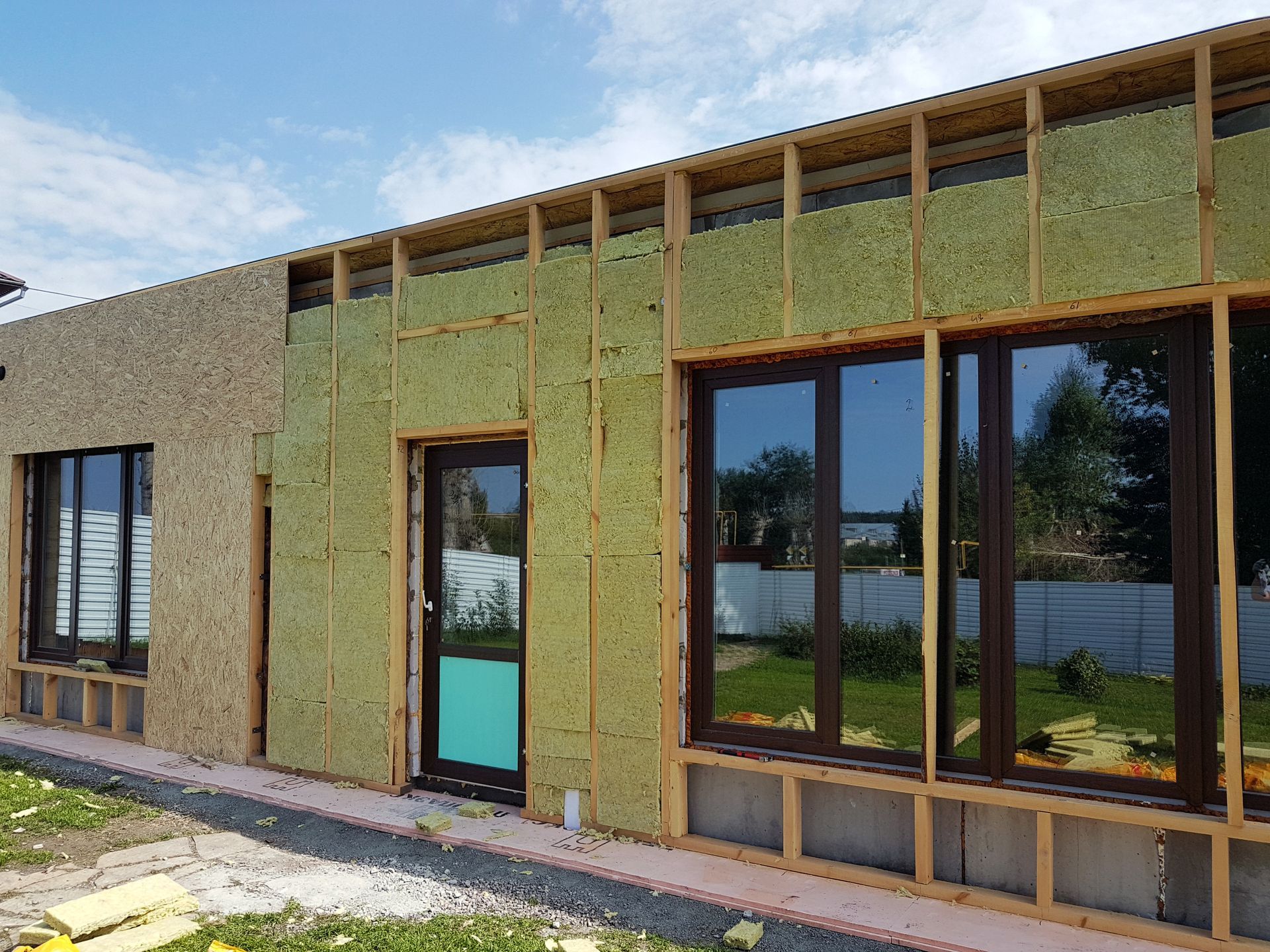
Commercial buildings across North Texas operate under constant heat exposure, long cooling seasons, and increasing energy demands. Insulation performance directly impacts indoor climate stability, HVAC efficiency, moisture control, and operational costs across nearly every type of commercial structure.
At Spray Foam TX, insulation is approached as part of the overall building envelope system — not simply another construction material added during a project. Every commercial structure performs differently depending on roof systems, wall assemblies, occupancy, ventilation, and environmental exposure.
From warehouses and office buildings to metal shops and agricultural facilities, insulation systems are selected based on how the building is used, how air moves through the structure, and the long-term performance goals of the property.
Commercial Insulation Solutions
Commercial Spray Foam Insulation
Spray foam insulation helps create a tighter building envelope by reducing uncontrolled air movement and limiting heat transfer throughout commercial structures.
Commercial spray foam systems are commonly used in:
- Warehouses
- Office buildings
- Retail facilities
- Commercial additions
- Mechanical spaces
- Industrial properties
- Storage facilities
Depending on the project, both open-cell and closed-cell systems may be used to support energy performance, temperature consistency, and moisture management.
Metal Building & Pole Barn Insulation
Metal buildings throughout North Texas often experience extreme heat transfer and condensation buildup due to minimal thermal separation between the exterior and interior environments.
Spray foam insulation is frequently used in:
- Commercial workshops
- Equipment storage buildings
- Agricultural facilities
- Service garages
- Distribution buildings
- Pole barns
- Industrial shops
Common Performance Benefits
- Reduced condensation issues
- Improved indoor temperature control
- Lower HVAC demand
- Reduced heat penetration
- Added structural rigidity
- Noise reduction inside work environments
Warehouse & Commercial Facility Insulation
Large commercial facilities often struggle with uneven temperatures, excessive HVAC cycling, and high energy usage caused by insufficient insulation performance.
Warehouse insulation systems can help improve:
- Interior climate consistency
- Conditioned storage performance
- Employee comfort
- Equipment protection
- Cooling efficiency
- Energy management
Projects are evaluated based on building size, roof systems, occupancy requirements, and environmental exposure.
New Construction Insulation
Insulation planning during commercial construction directly impacts long-term operational efficiency and overall building performance.
Spray Foam TX works alongside:
- Builders
- General contractors
- Developers
- Project managers
- Design/build teams
New Construction Services Include
- Spray foam insulation systems
- Fiberglass insulation
- Wall and roof insulation
- Building envelope planning
- Energy code compliance support
- Project coordination
Retrofit Insulation for Existing Commercial Buildings
Many older commercial structures across Sherman, McKinney, and surrounding North Texas communities were built with insulation systems that no longer meet modern energy demands or performance expectations.
Retrofit insulation upgrades are commonly used for:
- Older office buildings
- Existing warehouses
- Retail remodels
- Aging metal buildings
- Commercial expansions
- Utility-efficiency upgrades
Retrofit projects often focus on reducing uncontrolled heat transfer, improving HVAC efficiency, and stabilizing indoor building conditions.
Commercial Roof & Wall Foam Systems
Commercial roof and wall insulation systems help reduce solar heat gain while improving overall thermal efficiency throughout the structure.
These systems are commonly considered for:
- Industrial buildings
- Manufacturing spaces
- Metal structures
- High-load HVAC facilities
- Climate-controlled storage
- Large commercial buildings
Energy Code Compliance & Documentation
Commercial construction projects often require insulation systems that meet current building and energy-code requirements.
Spray Foam TX supports commercial projects with:
- Energy-code insulation planning
- Insulation documentation
- Builder coordination
- Performance-focused recommendations
- Specification support
Builder Partnership Programs
Spray Foam TX partners with builders and commercial construction teams throughout North Texas to provide insulation systems for ongoing developments and multi-phase projects.
Partnership Support Includes
- Scheduling coordination
- New construction planning
- Project communication
- Commercial insulation consulting
- Large-scale project support
Building Performance Challenges in North Texas Commercial Structures
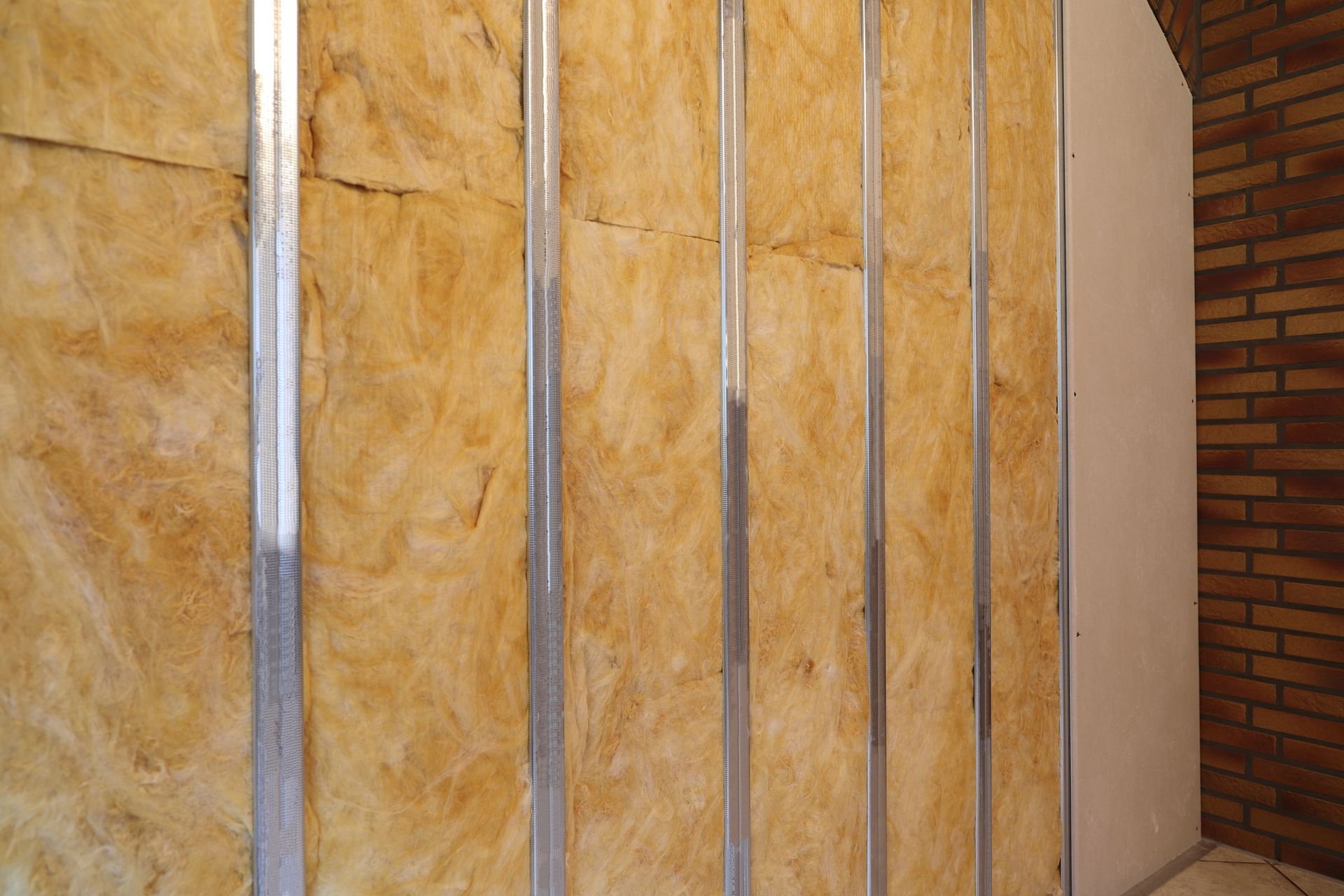
Commercial facilities throughout North Texas commonly experience performance issues caused by poor insulation design, aging materials, or uncontrolled air movement.
These issues may include:
- Excessive roof heat gain
- Uneven temperatures throughout facilities
- Condensation buildup in metal structures
- Increased HVAC runtime
- High operational energy costs
- Temperature instability in warehouse spaces
- Air leakage around rooflines and penetrations
- Poorly insulated wall systems
In many commercial environments, insulation performance directly affects operational efficiency, occupant comfort, and long-term building durability.
Open Cell vs Closed Cell Spray Foam for Commercial Projects
Open Cell Spray Foam
Often selected for:
- Interior wall systems
- Sound control applications
- Roofline insulation
- Large cavity fill areas
Open-cell systems are commonly used where flexibility, expansion, and air sealing are priorities.
Closed Cell Spray Foam
Frequently used for:
- Metal buildings
- Commercial roof systems
- Moisture-prone environments
- Higher R-value requirements
- Structural reinforcement applications
Closed-cell systems provide greater density and moisture resistance for demanding commercial conditions.
Compare Commercial Spray Foam Systems
Spray Foam TX provides insulation solutions for:
- Warehouses
- Distribution centers
- Office buildings
- Retail facilities
- Agricultural buildings
- Automotive shops
- Manufacturing spaces
- Commercial garages
- Equipment storage buildings
- Industrial facilities
Every project is evaluated based on building type, occupancy demands, ventilation systems, and long-term energy-performance goals.
What to Expect During a Commercial Insulation Project
Site Evaluation
Commercial projects begin with evaluating the building structure, insulation conditions, airflow concerns, and project requirements.
System Planning
Recommendations are developed around the building envelope, occupancy demands, moisture exposure, and performance goals of the facility.
Project Coordination
Installation scheduling and logistics are coordinated to support construction timelines and minimize operational disruptions when possible.
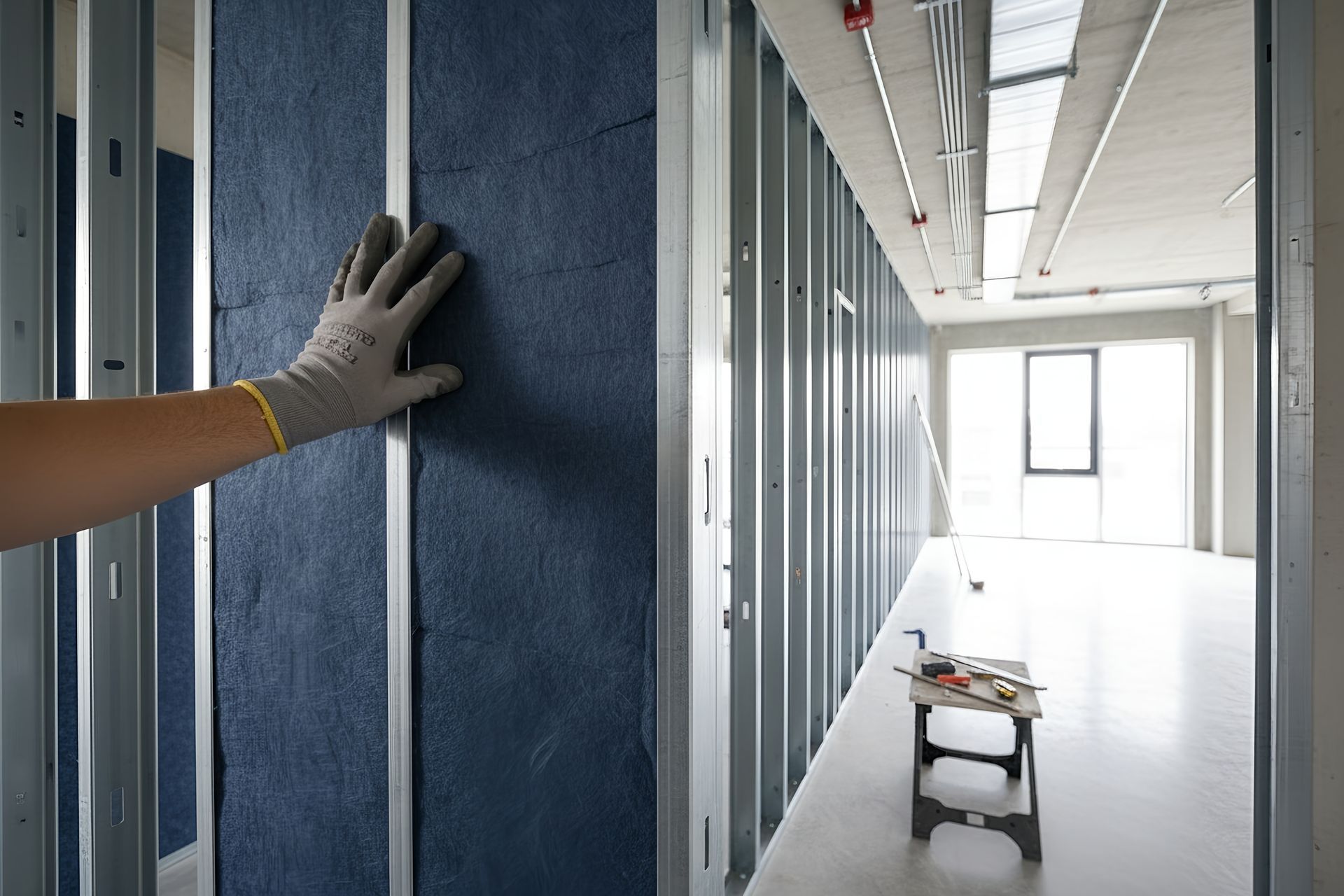
Professional Installation
Commercial insulation systems are installed according to project specifications and manufacturer installation standards.
Frequently Asked Questions
What type of insulation is best for commercial buildings?
The best insulation system depends on the building type, roof structure, occupancy requirements, climate-control needs, and moisture exposure of the facility.
Is spray foam good for warehouses and metal buildings?
Spray foam is commonly used in warehouses and metal buildings because it helps reduce heat transfer, improve climate control, and minimize condensation issues.
Can insulation upgrades improve commercial energy efficiency?
Insulation improvements can help reduce HVAC demand, stabilize indoor temperatures, and improve overall building energy performance.
Do you work on existing commercial buildings?
Yes. Spray Foam TX provides retrofit insulation services for existing warehouses, offices, retail buildings, and commercial facilities throughout North Texas.
Do you work with builders and contractors?
Yes. Spray Foam TX works with contractors, builders, developers, and project managers on both new construction and retrofit commercial projects.
Serving Commercial Properties Throughout North Texas
Spray Foam TX provides commercial insulation services throughout Sherman, McKinney, the Texoma region, and surrounding North Texas communities.
Improve the Performance & Efficiency of Your Commercial Building